

A NEW HISTORY OF WORLD WAR II
2026-01-08
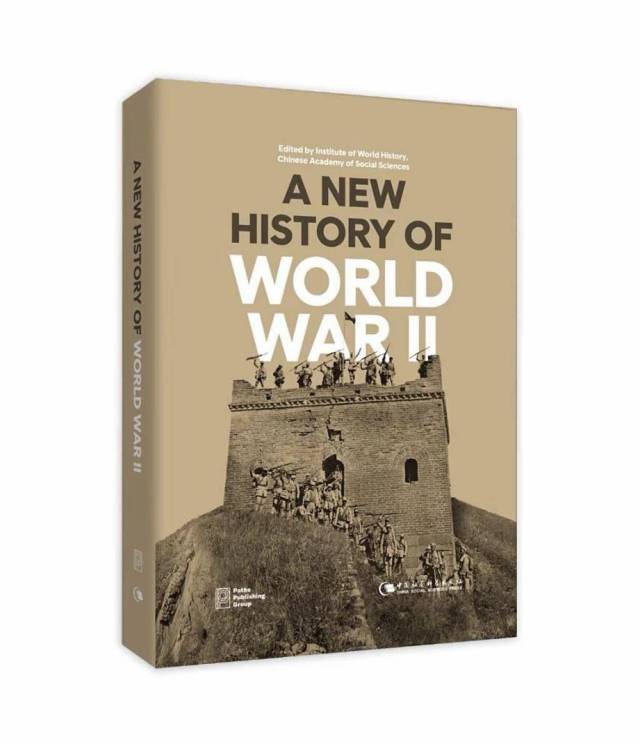
Author: Institute of World History , Chinese Academy of Social Sciences
Publication Date: September, 2025
Publisher: China Social Science Press
ISBN: 9787522758244
DESCRIPTION
A New History of World War II, published to commemorate the 80th anniversary of the victory of the Chinese People's War of Resistance Against Japanese Aggression and the World Anti-Fascist War, upholds a correct historical perspective on WWII and builds a narrative framework with Chinese characteristics and contemporary relevance. The book examines the historical process from the collapse of the Versailles-Washington system and the outbreak of WWII, through to the surrender of the fascists and the reshaping of the international order. It analyses the roles of the major theatres, including the main Eastern battlefield, European theatre, Pacific theatre, Atlantic theatre, North Africa-Mediterranean theatre and the coordination between them, presenting a panoramic view of the vast and tumultuous World Anti-Fascist War. It underscores that the decisive factor in defeating the Axis powers was the international Anti-Fascist United Front, forged by peace-loving forces worldwide: People across Europe and Asia actively engaged in resistance movements, Africa, the Americas, and Oceania provided vital support, and the Allied powers collaborated strategically and supported each other, writing an epic of victory in the World Anti-Fascist War. Special emphasis is laid on the position and contribution of the Chinese People's War of Resistance Against Japanese Aggression within the World Anti-Fascist War and the Communist Party of China's vital role as the mainstay of the War of Resistance by the whole nation. The work also reflects the Chinese people's commitment to peace, their resolve to pursue peaceful development, and their vision for building a community with a shared future for humanity.
About the Author
ounded in May 1964, the Institute of World History at the Chinese Academy of Social Sciences (CASS) is a principal academic body for systematic research and scholarly services in world history. Directed by Liu Zuokui, it covers ancient, medieval, modern and contemporary world history, emphasising comparative, transnational and global perspectives alongside the development of historiographical theory and methodology. The Institute stresses rigorous source criticism and multidisciplinary approaches; it undertakes major research programmes at both CASS and national levels, publishes scholarly work, and regularly hosts international conferences and specialised seminars It actively promotes cooperation and academic exchanges with overseas universities and research institutes, trains master's and doctoral students, and provides historical insight and think tank support for government policy and public affairs. Through sustained theoretical and empirical research, it aims to strengthen China's voice and international standing in the field of world history.
Contents
Introduction
Part One Great Challenges Confronting Humanity: The Origins of World War II
Chapter 1 The Crisis of the Imperialist Ruling Order
Section I. The Versailles-Washington System
Section II. The Great Economic Crisis in the Capitalist World
Chapter 2 The Rise of Fascism
Section I. The Ascendancy of Italian Fascism
Section II. The Rise to Power of the Nazi Party in Germany
Section III. The Rise of Japanese Militarism
Part Two The Collapse of the Versailles-Washington System: The Outbreak of World War II and the Shaping of the Main Eastern Battlefield
Chapter 3 The September 18th Incident Marked the Beginning of World War II
Section I. The September 18th Incident
Section II. The Beginning of the Chinese People’s War of Resistance Against Japanese Aggression
Section III. Prelude to the World Anti-Fascist War
Chapter 4 The Escalation of Fascist Aggression
Section I. Italy and Germany’s Aggression and Expansion in Africa and Europe
Section II. Japan’s Launch of Full-Scale Aggression Against China Section III. The Formation of the Axis
Chapter 5 International Efforts to Contain Fascism
Section I. Western Powers’ Appeasement and Its Dire Consequences
Section II. The Efforts and Setbacks of the Soviet Union to Establish
Collective Security
Section III. The Spread of War Panic in Europe and the Emergence of Pre-1939 Worldwide Movements Against Fascism and War
Chapter 6 The Communist Party of China and the War of Resistance Section I. The Formation of the Chinese United Front Against Japanese Aggression
Section II. Resistance Behind Enemy Lines
Section III. The Mainstay of the War of Resistance
Chapter 7 Development of the Main Eastern Battlefield in the World Anti-Fascist War
Section I. Resistance on Centre Stage Battlefields
Section II. Resistance on Backstage Battlefields
Section III. The Main Eastern Battlefield in the World Anti-Fascist War Took Shape
Part Three Fascist States Attempted to Establish a ‘New Order’: World War II Escalated into Total War
Chapter 8 Fascists Launched the Total War
Section I. Germany’s Attack on Poland
Section II. Germany’s Invasion of the Soviet Union
Section III. German and Italy’s Escalated Aggression in Africa
Section IV. Japan’s Igniting of the Pacific War
Chapter 9 The Fascists’ Dream of a ‘New Order’ and Their Atrocities
Section I. Nazi Germany’s ‘New Order’ of Europe
Section II. Japan’s ‘Greater East Asia Co-Prosperity Sphere’
Section III. Atrocities Committed by German, Italian, and Japanese Fascists
Part Four The People of the World United: The Formation of the World Anti-Fascist Alliance and the Turning of the Tide in World War II
Chapter 10 The Formation of the World Anti-Fascist Alliance
Section I. China’s Advocacy for a Sino-French-British Military Alliance
Section II. The Lend-Lease Act and the Formation of the Anglo-American Military Alliance
Section III. The Declaration by United Nations
Chapter 11 From Turning the Tide to Launching Grand Counter-Offensives
Section I. The North African and Mediterranean Theatres
Section II. The European Theatre
Section III. The Pacific Theatre
Section IV. The Main Eastern Battlefield
Part Five Justice Prevailed Over Evil: The Anti-Fascist Alliance Achieved Victory
Chapter 12 Resistance Movements and Mutual Support Among Peoples Across the World
Section I. Resistance Movements in Asia
Section II. Resistance Movements in Europe after September 1939
Section III. Resistance Movements within Nazi Germany and Its Allies
Section IV. Support by the Peoples of Africa, the Americas, and Oceania for the World Anti-Fascist War
Section V. China’s Support for the Anti-Fascist Movements in Other Countries and Regions
Chapter 13 Diplomatic Interactions Among Allied Powers
Section I. The Moscow Conference of Foreign Ministers and the Four Power Declaration
Section II. The Cairo Conference and the Cairo Declaration
Section III. The Yalta Conference and the Yalta Agreement
Section IV. The Potsdam Conference and the Potsdam Declaration Chapter 14 The Great Victory in the World Anti-Fascist War
Section I. Germany’s Unconditional Surrender
Section II. Japan’s Unconditional Surrender
Section III. Trials of War Crimes and Post-war Reformation
Part Six
A New Chapter for Humanity: The End of World War II and Its Impact
Chapter 15 Reshaping the World Order
Section I. Shaping the Post-War Political Order
Section II. Forging the Post-War Economic Order
Chapter 16 The Starting Point of the Chinese Nation’s Journey Towards Rejuvenation
Section I. Ending Modern China’s National Humiliation
Section II. The Triumph Opened Up Bright Prospects for the National Rejuvenation
Index
Acknowledgments